
Leveraging AI-Powered Personalization to Boost Newsletter Engagement and Conversions
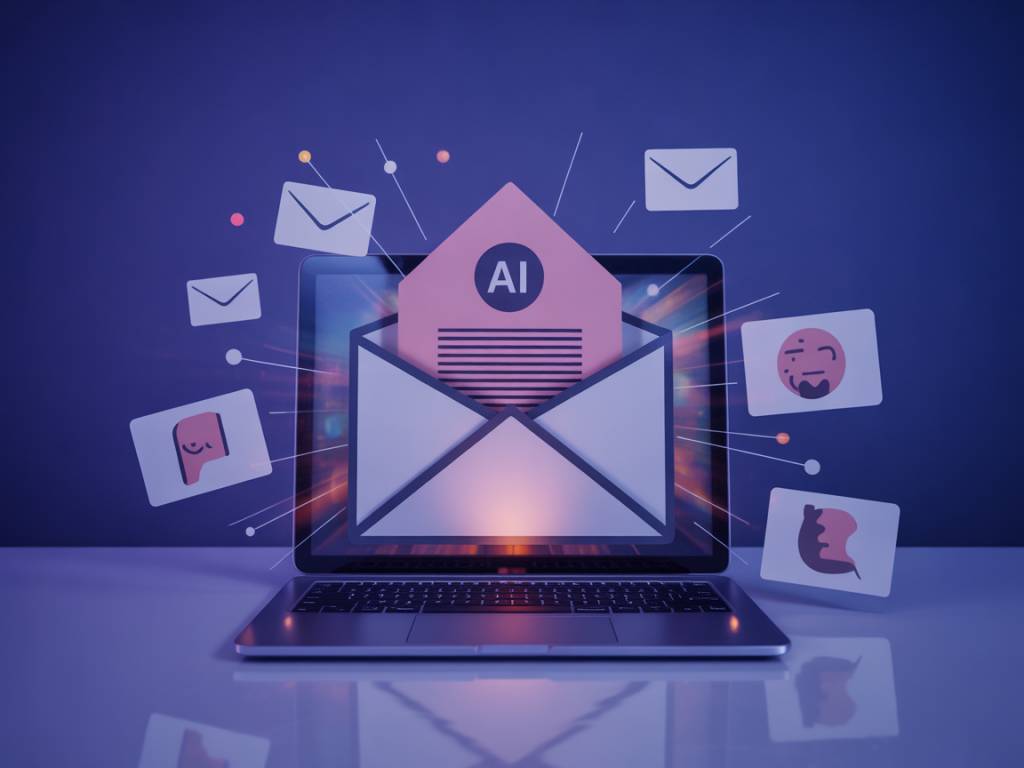
Why AI-Powered Personalization Matters for Email Newsletters
Email newsletters remain one of the most cost-effective and measurable channels in digital marketing, yet many brands still struggle with low open rates, weak click-through rates, and disappointing conversions. The main reason is simple: most newsletters are still built for segments, not for individuals.
AI-powered personalization changes this dynamic by tailoring newsletter content, timing, and messaging to each subscriber based on their behavior, interests, and intent signals. Instead of sending the same email to thousands of people, marketers can serve thousands of slightly different, highly relevant emails in a scalable way.
From a marketing performance standpoint, AI personalization can improve engagement metrics, reduce unsubscribe rates, and generate more revenue from the same email list. From the user’s perspective, it transforms the inbox experience from intrusive promotion to helpful, curated content.
Key Benefits of AI-Powered Email Personalization
When applied strategically, AI can enhance nearly every performance indicator associated with newsletter campaigns. The most common benefits include:
- Higher open rates: AI-optimized subject lines and send times can significantly increase the likelihood that subscribers will open the email.
- Improved click-through rates: Personalized content blocks and recommendations make the newsletter more relevant to each reader.
- Increased conversions and revenue: AI models can identify products, offers, or content most likely to drive action for specific users.
- Reduced subscriber churn: Sending fewer irrelevant messages and more tailored content lowers unsubscribe and spam complaint rates.
- More efficient workflows: Automation reduces manual segmentation and content production efforts, freeing teams to focus on strategy.
These gains come from using data more intelligently rather than simply sending more emails. AI helps transform raw behavioral data into actionable, real-time personalization at scale.
Core AI Techniques Used in Newsletter Personalization
Several AI and machine learning methods power modern personalization engines. While the underlying models can be complex, their applications in email marketing are relatively straightforward.
- Predictive analytics: Models predict the likelihood that a subscriber will open, click, purchase, or churn based on past behavior. These scores can drive who receives which campaigns, or which offers appear in a given newsletter.
- Recommendation systems: Similar to ecommerce and streaming platforms, recommendation engines suggest products, articles, or resources that match each user’s interests and behavior.
- Natural language processing (NLP): NLP models can generate or refine subject lines, preheaders, and body copy variations aligned with brand tone while optimizing for engagement.
- Send time optimization: Algorithms analyze when each subscriber typically opens emails and schedule sends at the moment of highest probable engagement.
- Clustering and dynamic segmentation: Instead of static segments, AI creates dynamic clusters of subscribers with similar behaviors or preferences, updating them continuously.
Marketers do not need to build these systems in-house. Many email service providers (ESPs), marketing automation platforms, and specialized personalization tools now embed AI capabilities directly into their interfaces.
Personalization Opportunities Across the Entire Newsletter
AI can influence almost every component of a newsletter, from the subject line to the call-to-action. Thinking through the full experience helps maximize impact.
Subject Lines and Preheaders
The subject line and preheader are the first personalization touchpoints. AI tools can generate multiple subject line variations and test them automatically on small audience samples. The winning versions, based on open rate performance, are then deployed to the wider list.
Beyond simple A/B testing, more advanced models can tailor subject lines by audience cluster. For example, price-sensitive subscribers might see a discount-led subject, while high-intent buyers receive urgency-focused messaging.
Dynamic Content Blocks
Rather than designing a single static newsletter, marketers can create modular templates with dynamic content blocks. AI then decides which block each subscriber sees. Common use cases include:
- Personalized product recommendations: Highlight items related to past purchases, viewed categories, or abandoned carts.
- Content personalization: Show articles, guides, or videos that match topics users have engaged with previously.
- Geo-targeted messaging: Adapt promotions, events, or shipping information based on location data.
- Lifecycle-based content: Vary messaging for new subscribers, active buyers, and lapsed customers.
This level of personalization makes each newsletter feel like a curated experience instead of a generic broadcast.
Calls-to-Action and Offers
AI-driven personalization is particularly powerful when applied to calls-to-action (CTAs) and offers. Models can determine which incentive is most likely to convert each user, whether it is a discount, free shipping, extended trial, or loyalty points.
Dynamic CTAs can also be adjusted based on previous behavior. For a subscriber who has clicked but never purchased, the CTA could emphasize reassurance and social proof. For repeat customers, it might focus on exclusivity or new arrivals.
Send Time and Frequency Optimization
Many brands still send newsletters at a fixed time to their entire list. AI tools can instead calculate an individualized optimal send time for each subscriber, based on when they typically open emails.
Frequency optimization goes a step further. If models detect that a subscriber is at risk of fatigue or churn (for example, by ignoring multiple campaigns), the system can automatically reduce frequency or enroll them in a re-engagement sequence with more value-oriented content.
Essential Data Sources for Effective AI Personalization
To power meaningful personalization, AI models require relevant and reliable data. The most impactful sources typically include:
- Email engagement data: Opens, clicks, device type, and historical campaign performance.
- On-site behavior: Pages viewed, products browsed, time on site, and on-site search queries.
- Purchase history: Orders, basket size, categories bought, and time between purchases.
- Profile attributes: Location, language, job role, or industry (for B2B newsletters).
- Preference centers: Explicit interest selections made by the subscriber.
The trend toward first-party data makes email personalization even more strategic. As third-party cookies decline, the newsletter becomes a key owned channel for capturing and activating high-quality customer data.
Practical Steps to Implement AI-Powered Personalization
Many marketing teams are interested in AI but unsure where to start. A phased approach helps reduce risk and demonstrate clear ROI.
- Audit your current stack: Review your email service provider and CRM to identify existing AI features such as send time optimization, predictive scoring, or content recommendations.
- Define business goals: Decide whether your priority is increasing open rates, boosting revenue per email, improving retention, or reactivating dormant subscribers.
- Start with one or two use cases: For example, implement personalized product recommendations in your weekly newsletter, or test AI-generated subject lines on a segment of your list.
- Integrate key data sources: Connect your ecommerce platform, analytics tools, or website tracking to your ESP so AI models can access richer behavioral data.
- Test, measure, and iterate: Run controlled experiments and compare performance against a traditional, non-personalized control group.
Over time, you can expand from simple optimizations (such as subject lines) to more advanced scenarios like fully dynamic newsletters built around each subscriber’s lifecycle stage.
Balancing Personalization with Privacy and Trust
Effective personalization relies on trust. While AI can identify highly specific patterns and preferences, using them without restraint can feel invasive. Marketers need to balance relevance with respect for privacy.
Some best practices include:
- Being transparent: Clearly explain why subscribers receive certain recommendations or offers and how their data is used.
- Honoring preferences: Allow users to specify how often they want to be contacted and which topics interest them.
- Respecting regulations: Ensure compliance with GDPR, CCPA, and other data protection laws, including clear consent mechanisms.
- Avoiding over-personalization: Refrain from referencing overly detailed behavioral data in copy in ways that could unsettle readers.
Responsible use of AI-powered personalization can strengthen the relationship between brand and subscriber by delivering value without crossing privacy boundaries.
Examples of AI-Enhanced Newsletter Strategies
Different industries can apply AI personalization in distinct ways, but there are recurring patterns across ecommerce, media, and B2B marketing.
- Ecommerce brands: Use AI to power individualized product grids, back-in-stock alerts, and replenishment reminders in newsletters. High-intent users might see limited-time offers while loyal customers receive early access to new collections.
- Media and content publishers: Personalize newsletters by recommending articles, podcasts, and videos according to reading history and topic interest. AI can also downgrade or hide content types that a subscriber rarely engages with.
- B2B marketers: Tailor case studies, white papers, and webinar invitations to industry, role, and funnel stage. Prospects closer to a buying decision see more product-centric content, while early-stage leads receive educational resources.
In each scenario, the underlying principle remains the same: use AI to align what appears in the inbox with what the subscriber actually cares about at a specific moment in time.
Looking Ahead: The Future of AI in Newsletter Marketing
AI-powered personalization for newsletters is still evolving. New developments such as generative AI, real-time data streaming, and cross-channel orchestration will further change how brands communicate via email.
In the near term, marketers can expect more tools that automatically generate content variations, assemble full newsletter layouts dynamically, and coordinate email messaging with on-site experiences and paid media. As these capabilities mature, the gap will widen between generic newsletters and those that feel like a one-to-one conversation.
For marketing teams willing to invest in data quality, experimentation, and ethical AI use, personalized newsletters will become not just a retention channel but a central engine for customer engagement and revenue growth.